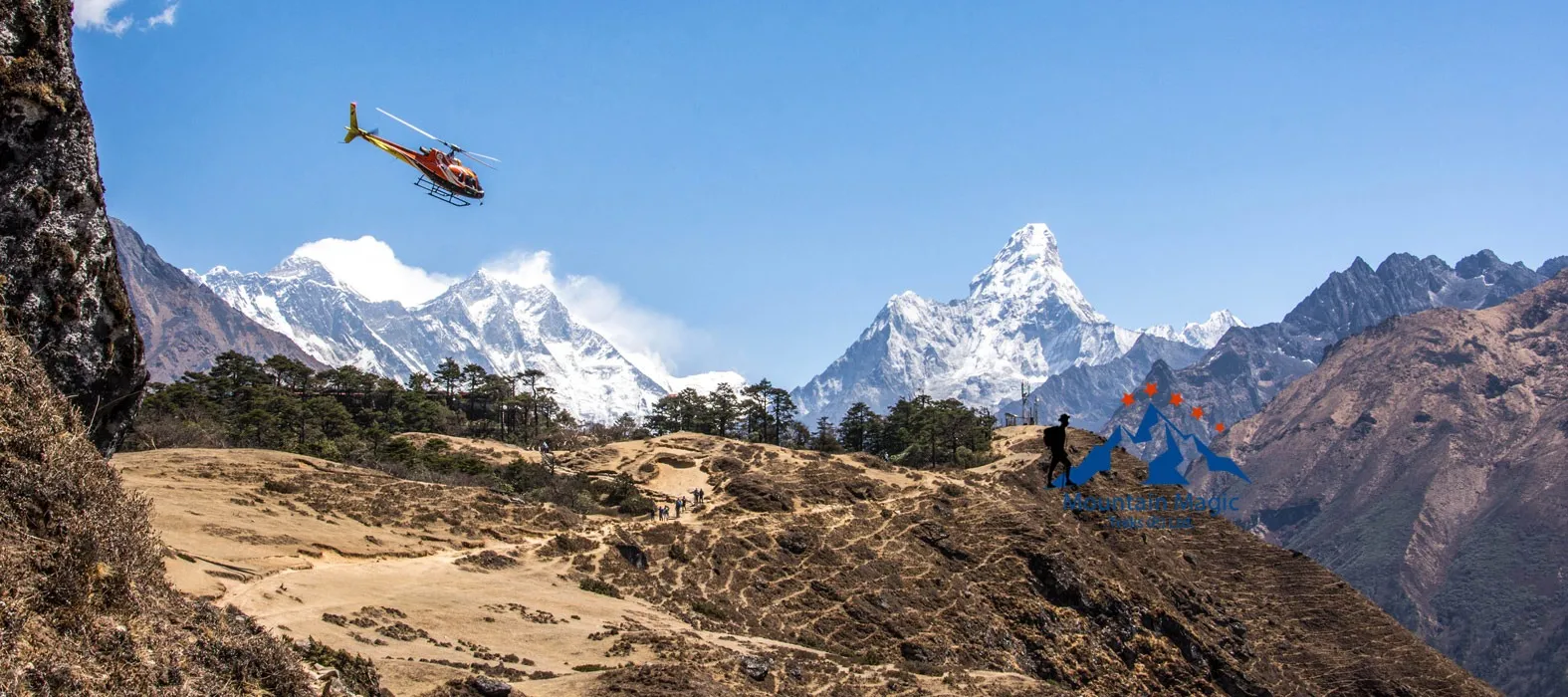
The journey to the Everest region begins before trekkers take their first steps on the mountain trail. For visitors traveling from Kathmandu, reaching Lukla is an important part of the itinerary. This small mountain town serves as the main starting point for the classic Everest Base Camp trekking route.
The Everest Base Camp Trek with Helicopter Return package offered by Mountain Magic Treks includes a helicopter journey from Kathmandu to Lukla. This transfer connects the capital city with the Khumbu region and helps trekkers begin their mountain adventure without making the full journey overland.
Understanding the departure process, luggage arrangements, landing procedures, and next steps can make this part of the trip easier to manage.
Why Lukla Is the Starting Point of the Everest Trek
Lukla is a mountain settlement in the Khumbu region of Nepal. It is widely known as the gateway to the Everest trekking area because many visitors begin their journey here.
The town has an airport surrounded by steep hills and mountain terrain. Its location makes it an important transport connection for trekkers, local residents, guides, and expedition teams.
A Connection Between Kathmandu and the Khumbu
Kathmandu is the main arrival point for international travelers visiting Nepal. From there, visitors need to reach the Everest region before starting the walking route.
The helicopter transfer provides an aerial connection between these two locations. After landing in Lukla, trekkers can prepare for the walking section toward Phakding and Namche Bazaar.
The Beginning of the Mountain Route
Lukla is not the final destination of the trip. It is the point where the trekking experience begins.
The standard route continues through several settlements, including:
-
Phakding
-
Namche Bazaar
-
Tengboche
-
Dingboche
-
Lobuche
-
Gorakshep
-
Everest Base Camp
Each location has a different role in the itinerary, from overnight accommodation to acclimatization and access to major mountain viewpoints.
Preparing for the Kathmandu Helicopter Departure
A helicopter journey requires different preparation from a regular road transfer. Passengers should follow the operator’s instructions and arrive at the designated departure point at the scheduled time.
Mountain Magic Treks coordinates the transfer as part of its trekking package. The guide or company representative can provide the latest departure information before the journey.
Keep Travel Documents Accessible
Trekkers should keep important documents in a secure and accessible place. These may include:
-
Passport and identification documents.
-
Trekking permits and relevant travel papers.
-
Emergency contact information.
-
Hotel and trip booking details.
Keeping these items together helps avoid unnecessary delays during airport procedures.
Organize Your Personal Belongings
Before departure, separate essential items from the main trekking luggage. A small personal bag can hold documents, a phone, necessary medication, and other important belongings.
Avoid carrying unnecessary items into the aircraft. Follow the crew’s instructions about where personal belongings should be placed.
Understanding Helicopter Luggage Arrangements
Luggage planning is important because helicopters have limited space and weight capacity. The amount of baggage passengers can carry depends on the aircraft, passenger load, and operating arrangements.
Mountain Magic Treks lists a limited baggage allowance for its helicopter transfers. Travelers should confirm the current allowance with the company before packing.
Pack According to the Weight Limit
A practical luggage plan can prevent problems during boarding. Heavy or unnecessary items should be removed before departure.
Consider organizing belongings into two groups:
Main trekking luggage
-
Clothing and personal equipment.
-
Sleeping bag, if required.
-
Toiletries and personal supplies.
-
Items needed during overnight stays.
Small personal bag
-
Passport and important documents.
-
Phone and camera.
-
Medication.
-
Essential travel accessories.
The final baggage arrangement should always follow the operator’s instructions.
Why Weight Restrictions Matter
Helicopters operate under strict weight limits. Passenger weight, baggage, fuel requirements, and flight conditions all affect the permitted load.
If the luggage exceeds the approved allowance, some items may need to be transported separately or left behind. Confirming the rules in advance is more practical than making last-minute changes.
What to Expect During the Helicopter Flight to Lukla
The flight from Kathmandu to Lukla provides an aerial view of Nepal’s changing landscape. As the aircraft leaves the Kathmandu Valley, the scenery gradually shifts toward hills, deep valleys, and the Himalayan region.
Mountain Views Along the Route
Depending on visibility and the flight path, passengers may see mountain ridges, forested slopes, river valleys, and distant Himalayan peaks.
The scenery offers a different perspective from the ground-level experience that follows during the trek.
However, passengers should remain seated and follow the crew’s safety instructions rather than moving around to take photographs.
Arrival at Lukla
After landing, passengers should wait for instructions before leaving the aircraft. Airport staff and the trekking team can guide them toward the appropriate area.
Trekkers should collect their belongings carefully and check that nothing has been left behind. The guide can then explain the next steps and confirm the walking arrangements.
What Happens After Landing in Lukla?
Landing in Lukla marks the transition from air travel to the trekking route. The group can organize its equipment, meet the relevant local support team, and prepare for the first walking section.
The Everest Base Camp Trek with Helicopter Return itinerary continues from Lukla toward Phakding, where trekkers usually spend their first night in the mountain region.
Meeting the Trekking Team
Depending on the package arrangements, the guide and porter team will help coordinate the next stage.
Before leaving Lukla, trekkers should understand the day’s walking plan, luggage arrangements, and expected overnight stop.
Starting the Walk Toward Phakding
The trail from Lukla descends toward Phakding. It passes through local settlements and follows sections of the Dudh Koshi river valley.
This first walking day introduces trekkers to the mountain environment. The route includes stone paths, suspension bridges, small settlements, and views of the surrounding hills.
Although it is the beginning of the trek, maintaining a comfortable pace is still important.
How the Helicopter Transfer Fits Into the Complete Package
The Kathmandu-to-Lukla helicopter journey is one part of the overall package, not a separate sightseeing activity.
Mountain Magic Treks combines this transfer with the trekking route, overnight accommodation, guide support, permits, and the return helicopter arrangement from the Everest region.
A Combination of Walking and Air Travel
The main part of the journey takes place on foot. Trekkers pass through villages, high mountain valleys, and important destinations before reaching Everest Base Camp.
The return helicopter arrangement reduces the need to retrace the entire walking route toward Lukla.
Keep the Flight Schedule Flexible
Mountain helicopter operations depend on several factors, including weather, visibility, aircraft availability, and safety requirements.
A planned departure time should not be treated as a guaranteed takeoff time. Travelers should keep some flexibility in their wider travel plans, particularly when arranging international flights after the trek.
The Everest Base Camp Trek with Helicopter Return offers a convenient combination of trekking and helicopter travel, but all flights remain subject to operational conditions.
Final Thoughts
The Kathmandu-to-Lukla helicopter journey is an important first stage of the Everest trekking experience. It connects Nepal’s capital with the Khumbu region and brings trekkers to the starting point of the walking route.
Proper luggage planning, document preparation, and attention to crew instructions can make the transfer more organized. Once in Lukla, the focus shifts to the trail, the guide’s instructions, and the journey toward Phakding.
For travelers booking the Everest Base Camp Trek with Helicopter Return through Mountain Magic Treks, understanding this first transfer helps create a clearer picture of how the complete itinerary works.
Frequently Asked Questions
1. Does the Mountain Magic Treks package include a helicopter flight to Lukla?
Yes. The package information lists a helicopter transfer from Kathmandu to Lukla as part of the itinerary.
2. Where does the trek begin after the helicopter landing?
The walking route begins in Lukla and continues toward Phakding for the first overnight stop.
3. Is there a luggage limit on the helicopter?
Yes. Helicopters have limited baggage capacity. Travelers should confirm the current passenger and luggage allowance with Mountain Magic Treks before departure.
4. Can the helicopter departure time change?
Yes. Flight schedules can change because of weather, visibility, aircraft availability, and operational requirements.
5. What should travelers keep in their personal bag?
Important documents, a phone, necessary medication, and a few essential personal items should remain accessible during the transfer.